
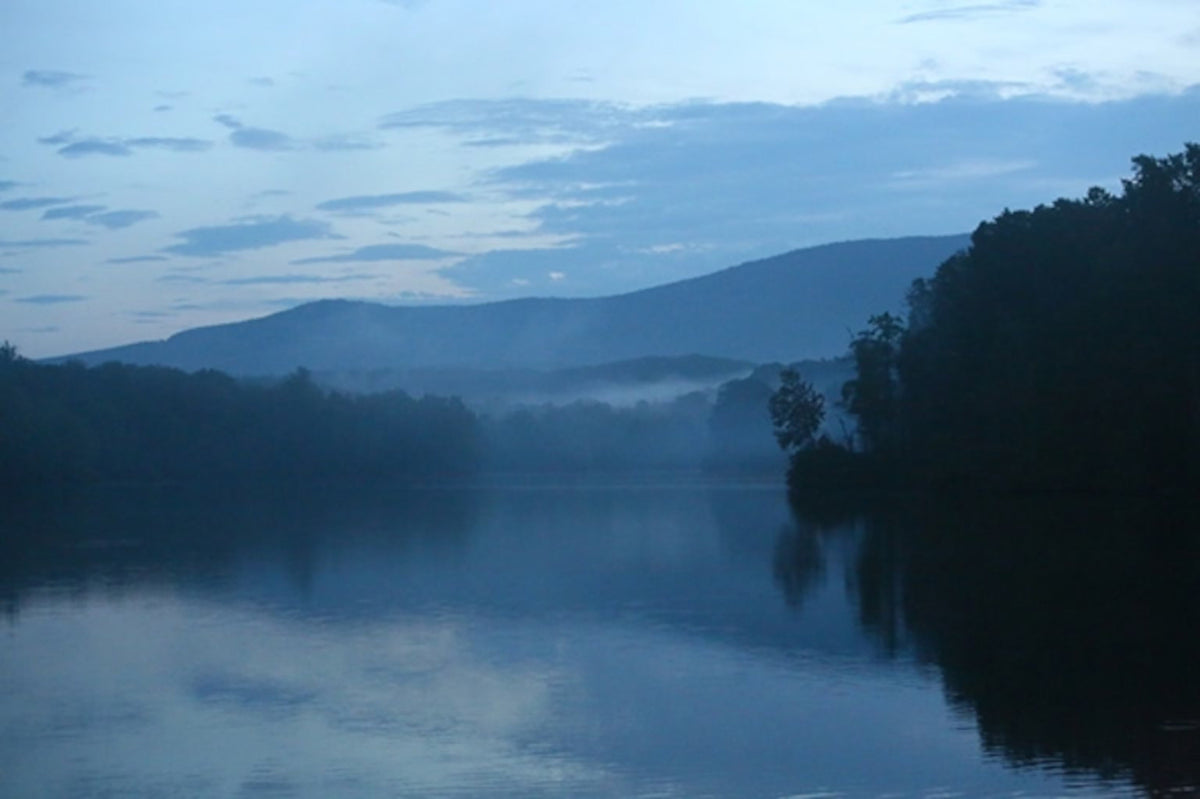
Long before cabins, mills, and fence lines shaped the landscape, the mountains and valleys of Southwest Virginia were already home. Long before maps named rivers and roads traced borders, Indigenous peoples lived in rhythm with the land that would later be called the Blue Ridge and Appalachian Mountains.
For thousands of years, these mountains were not obstacles to overcome. They were providers, protectors, and teachers.
📜 The First Stewards of the Mountains
Archaeological evidence shows Indigenous people lived in this region for thousands of years before European settlers arrived. The fertile river valleys, abundant forests, and rich wildlife made Southwest Virginia an ideal place to live, travel, and trade.
Several Native groups are historically connected to this region, including the Cherokee, Yuchi, and Shawnee, as well as earlier Woodland and Mississippian cultures whose names have been lost to time.
Rather than permanent towns everywhere, many groups followed seasonal patterns, moving with game, crops, and weather.
🌊 Rivers as Lifelines
Water shaped everything. The Clinch River and its tributaries served as highways through the mountains, connecting communities across vast distances.
Rivers provided:
-
Fresh water and fish
-
Fertile soil for crops like corn, beans, and squash
-
Trade routes linking distant tribes
-
Natural gathering places for seasonal camps
The land was never owned in the modern sense. It was respected, shared, and cared for.
🛖 Daily Life in the Mountains
Life in Southwest Virginia required deep knowledge of the land. Indigenous families built homes from wood, bark, and clay, crafted tools from stone and bone, and used plants for food, medicine, and ceremony.
Children learned by watching elders. Stories were passed orally, carrying lessons about survival, respect, and balance. Every part of the natural world had meaning, from the direction of the wind to the movement of animals.
Nothing was wasted. Everything had a purpose.
🧭 Ancient Paths That Became Roads
Long before settlers carved wagon roads through the mountains, Indigenous peoples created well-worn footpaths along ridges and river valleys. These routes followed the easiest passages through the land and later became the foundations for colonial roads and migration routes.
Some of these ancient trails eventually formed parts of what settlers called the Wilderness Road, a path that changed the course of American expansion. What many viewed as discovery was, in truth, the reuse of knowledge that already existed.
📍 A Legacy Still Written on the Land
Although displacement and forced removal devastated Indigenous communities, their presence has never truly vanished. Place names, trails, river routes, and even local traditions still reflect Indigenous knowledge of the land.
In Scott County and the surrounding region, the mountains still carry echoes of those early stewards. Their understanding of balance, patience, and respect for nature continues to resonate.
🌲 A Blue Ridge Whispers Reflection
At Blue Ridge Whispers, we believe honoring this land means remembering everyone who called it home. Long before hand-poured candles or mountain homesteads, Indigenous peoples lived with intention and care, shaping a legacy rooted in respect for nature and community.
Their story reminds us that craftsmanship begins with listening, to the land, to tradition, and to those who came before.
Leave a comment