
Appalachian Folklore, Protection, and the Color That Kept Spirits at Bay
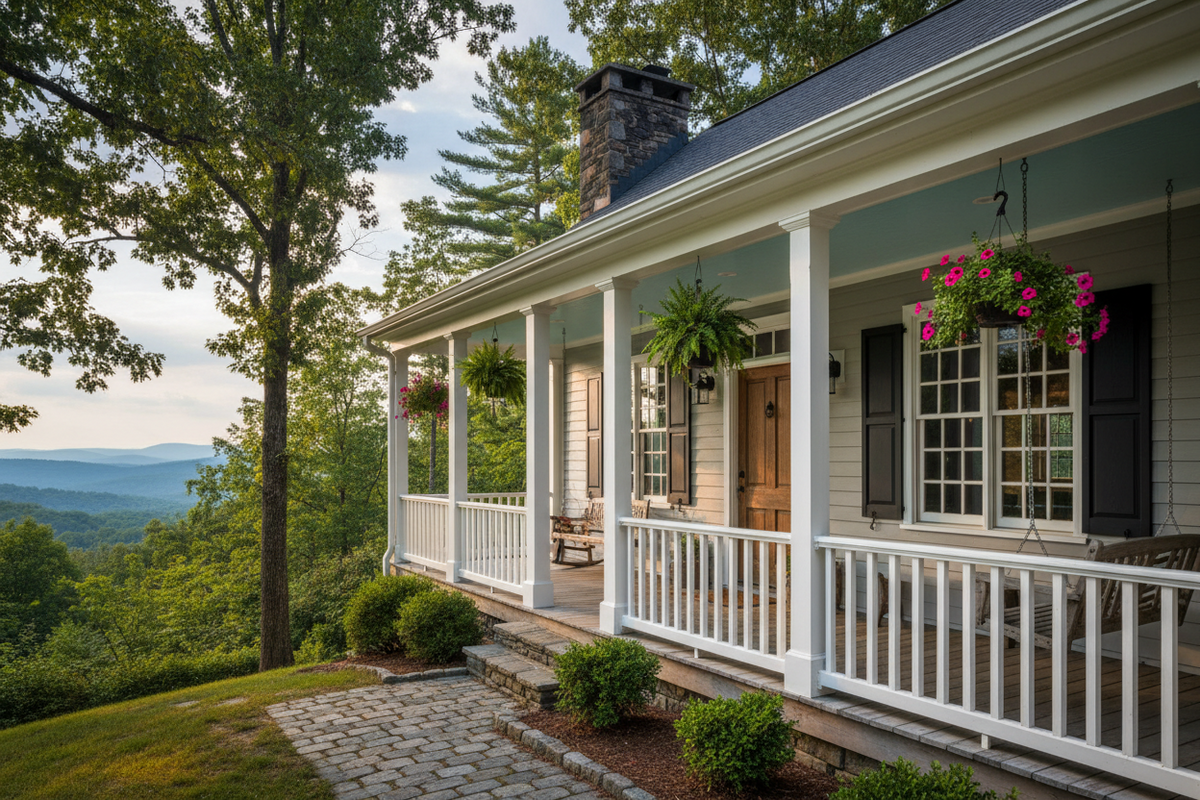
If you’ve ever wandered through an old Appalachian hollow or along a quiet Southern backroad, you might’ve noticed something curious. Porch ceilings washed in a pale blue. Window frames edged with the same soft, sky-tinted hue. At first glance, it feels decorative. Pretty. Calm.
But that color carries a story — one rooted deep in folklore, faith, and generations of mountain wisdom.
That color is haint blue.
What Does “Haint” Mean?
In Appalachian and Gullah Geechee folklore, a haint is a restless spirit — something that lingers when it shouldn’t. Not always evil, but rarely welcome. Folks believed haints could slip through doors and windows after dark, especially into homes that weren’t properly protected.
So people found ways to guard their homes — not with locks or iron bars, but with belief, tradition, and color.
Why Blue?
Haint blue was believed to mimic water or the sky.
According to folklore:
-
Spirits couldn’t cross water
-
Haints would mistake blue for open sky and keep drifting
-
Blue confused wandering spirits, preventing them from entering the home
By painting porch ceilings, doors, and window frames blue, families believed they were creating a quiet barrier — one that said you may pass by, but you’re not welcome in.
And like many mountain traditions, it wasn’t about fear. It was about peace of mind.
Porches: The Threshold Between Worlds
In Appalachian culture, the porch has always been a sacred in-between space. Not quite indoors, not quite out. A place for shelling beans, telling stories, watching storms roll in, and greeting neighbors.
That made it the perfect place for protection.
A haint blue porch ceiling wasn’t loud or flashy. It didn’t announce itself. It simply stood watch — calm, quiet, and constant.
Some folks still swear it keeps:
-
Bad spirits away
-
Bugs and wasps from nesting
-
The porch cooler in summer heat
Whether folklore or coincidence, many will tell you: it just feels right.
Windows and Doors: Guarding the Entryways
Windows and doors were thought to be the most vulnerable points of a home. Painting their frames haint blue added an extra layer of protection — especially at dusk, when shadows stretch long and the world feels thinner.
Even today, you’ll find homes where the tradition continues, passed down without question. “That’s just how my grandma did it.”
And sometimes, that’s reason enough.
More Than Superstition — A Sense of Home
Over time, haint blue became more than folklore. It became comfort. A visual reminder that a home was cared for. Watched over. Loved.
In the mountains, traditions don’t always need explaining. They survive because they bring peace, connection, and a sense of belonging.
And maybe that’s the real magic of haint blue.
A Color That Still Lingers
Today, you’ll see haint blue everywhere — on restored farmhouses, modern porches, and cozy cabins tucked into the hills. Some folks believe in the folklore. Some just love the color.
But whether you see it as protection, tradition, or simple beauty, haint blue carries a quiet message from the past:
This is a place of rest. This is a place of warmth. And all who enter do so in peace.
If you’ve grown up hearing stories about haints, signs, or mountain sayings — or if your family painted blue without ever saying why — you’re carrying a piece of Appalachian heritage forward.
Leave a comment